Availability
Brand
Price
Selections
diameter
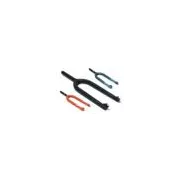
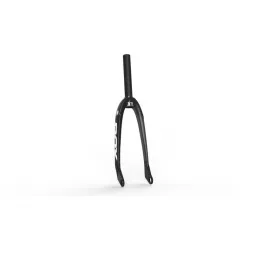
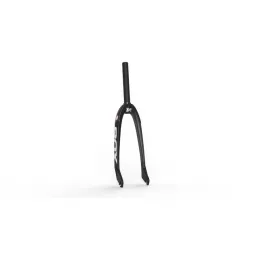
BMX Race forks
BMX race forks affect front-end stiffness, steering precision and how the bike behaves out of the gate. When choosing, focus mainly on compatibility, weight and race-level performance.
BMX race forks – precision, stiffness and the right setup
BMX race forks have a major effect on how the bike responds at the gate, holds its line and behaves under load. For a performance-oriented BMX race setup, low weight alone is not enough – the fork also needs the right balance of stiffness, geometry and compatibility with the frame and front hub.
This category includes BMX race forks from BOX Components, Haro Bicycles and SD BMX Super Dupper, aimed at riders looking for sharper steering, a more stable front end and a cleaner race-focused build.
How to choose a BMX race fork:
- Compatibility – check axle type, steerer type and headset standard
- Material – lighter options improve race performance, while stronger options may suit harder everyday use
- Front-end stiffness – important for sprint efficiency, steering accuracy and confidence at speed
- Level of use – a full race build needs a different fork than a simpler training or upgrade setup
What the right fork changes in practice:
A lighter and stiffer fork makes the most sense when you are building a race-focused BMX bike. The benefit shows especially at the gate start, where quick power transfer, accurate tracking and reduced front-end flex matter most.
A simpler or more durable option may be the better choice if you are working with an older setup, a training bike or an upgrade where you do not want to replace multiple related parts. In that case, compatibility often matters more than chasing the lowest possible weight.
If you are building a pure race BMX setup → it makes sense to choose the lightest and stiffest fork that matches your frame and hub standard. If your priority is a safe and practical upgrade → start with compatibility first, then look at material and weight.
For more advanced riders, the right fork is usually noticeable in one simple way: the bike feels calmer, more accurate and more confident at the front under sprint load.