

-
Top offers
-
Bikes
-
Helmets & Goggles
-
Accesories


Availability
Brand
Price
Selections
size
colour
MTB Suspension Frames
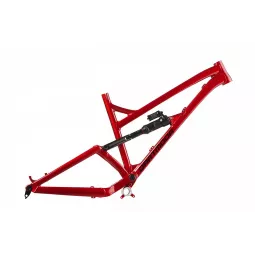
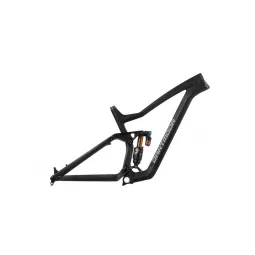
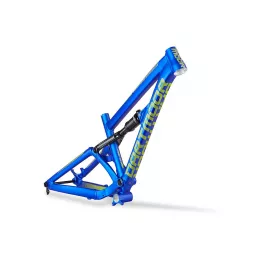
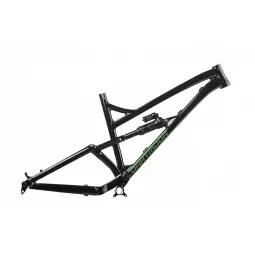
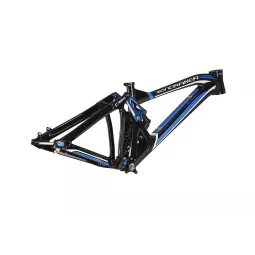
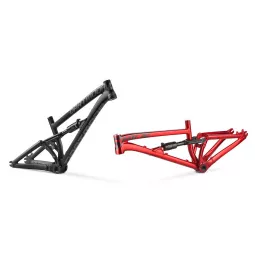
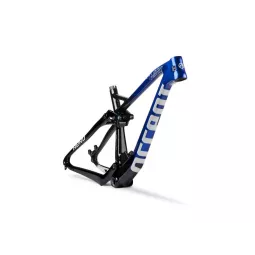
Full suspension MTB frames are frames equipped with rear suspension, meaning they use both a front fork and a rear shock to absorb impacts. This allows the bike to stay in contact with the ground and maintain better control in rough terrain.
Compared to hardtail frames, they have a more complex design with pivots and a shock, but in return offer more traction, stability on descents, and overall riding comfort, especially on technical trails.
Sort by:








Full Suspension MTB Frame: Why You Want One and How to Choose
Why go full suspension | Geometry & travel | Compatibility & build
Modern full suspension MTB frames cover everything from playful trail riding to aggressive enduro. Rear suspension keeps the bike in contact with the ground in rough terrain, allowing you to ride faster and with more control where a hardtail would struggle. Brands like Dartmoor focus on durable frames with progressive geometry, while Mondraker is known for stability at high speed.
Full suspension vs. hardtail
The main difference is control and traction. A full suspension bike keeps the rear wheel planted, giving you confidence in rough descents, roots, and rocks. A hardtail is simpler, lighter, and more efficient when pedaling.
If you ride technical trails or enduro, a full suspension frame will realistically let you ride faster and with more confidence. For easier terrain or budget builds, a hardtail can still make more sense.
What to check for proper compatibility
- Wheel size: 29" wheels offer stability and speed, especially in rough terrain. 27.5" wheels are more playful and responsive. A mullet setup combines front-end stability with rear-end agility.
- Geometry (reach & head angle): A longer frame with a slacker head angle provides stability at speed and on descents. A shorter setup is more responsive and playful. You’ll feel the difference immediately—either you're in control, or you're fighting the bike.
- Boost axle (148x12 mm): The current standard. A wider rear axle increases stiffness and improves handling under load and in corners. If you're building a bike from scratch, Boost is the logical choice.
- Tapered head tube: Required for modern suspension forks and improves front-end stiffness. Without it, your fork options will be limited.
- Rear shock: Must match the frame exactly—not just length, but also stroke and mounting type. The wrong shock will compromise performance or even damage the frame. See rear shocks.
- Component compatibility: Full suspension builds require more precision—everything from the headset to wheels must match. Start with the frame and build around it—doing it the other way usually leads to compromises.
Brands like DMR and Identiti are great for more playful and durable builds, while modern trail and enduro frames are designed for specific riding styles—the differences are not just in numbers, but in how the bike feels on the trail.
Workshop insight: The most common mistake is focusing only on frame size (S/M/L). In reality, reach and geometry define how the bike rides—get it wrong, and you'll notice it in the very first corner.
Can I use any rear shock?
No. The shock must match the length, stroke, and mounting standard of the frame. Otherwise, the suspension won’t work properly.
29" or 27.5" wheels?
29" wheels are faster and more stable, while 27.5" wheels are more playful and responsive. The right choice depends on your riding style and terrain.