

-
Top offers
-
Bikes
-
Helmets & Goggles
-
Accesories


Categories
Availability
Price
Selections
diameter
Travel
Wireless
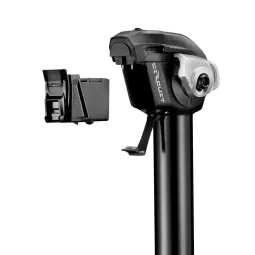
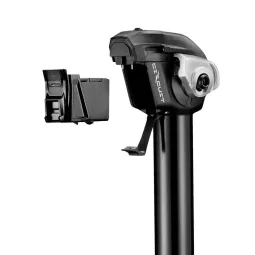
Wireless dropper posts let you change saddle height without a traditional cable and housing. In this category you will find the Kind Shock Rage Circuit Wireless dropper post for modern MTB, trail and enduro use, available in 30.9 and 31.6 mm diameters and different travel options depending on the specific version.


Bestsellers in this category

Sort by:




How to choose a Kind Shock wireless dropper post
No cable or housing | Clean installation | Battery and charging | 30.9 / 31.6 mm diameter | 120–200 mm travel | Kind Shock Rage Circuit Wireless | Internal vs external vs wireless setup | Authorised service | FAQ
A wireless dropper post works without a traditional cable and housing. The post communicates electronically with the remote on the handlebars, so there is no need to route cable housing through the frame or externally along the frame. The result is cleaner installation, easier setup and fewer mechanical parts in the control system.
This category is focused mainly around the Kind Shock Rage Circuit Wireless, a wireless dropper post for riders who want the benefit of a dropper post without dealing with internal or external routing. A wireless solution is not automatically the best option for everyone. It makes the most sense when you want a clean setup, easier installation and do not mind checking and charging the battery.
What a wireless dropper post means
With a classic dropper post, saddle height is controlled by a cable and housing. With a wireless dropper post, this mechanical control system is removed. Instead, you use an electronic remote on the handlebars and a battery in the post. This allows you to raise or lower the saddle without routing housing through the frame.
The biggest practical advantage is installation. You do not need to pull housing through the inside of the frame, deal with tight cable bends or route housing externally along the frame. This is especially useful on frames where routing is complicated, or on builds where you want the cleanest possible bike appearance.
The downside is that a wireless dropper post adds a battery and electronics. That means that in addition to normal mechanical compatibility, you also need to monitor battery charge, remote condition and proper electronic system function.
Who a wireless solution makes sense for
A wireless dropper post makes sense for riders who want a clean installation without cable and housing. It suits modern MTB, trail and enduro builds where the dropper post is used often and the rider benefits from fast control without mechanical routing.
It is also strong on frames where cable routing is difficult. If the frame does not have convenient internal routing, external housing would look untidy or you simply do not want to deal with cable routing along the frame, a wireless solution can be an elegant alternative.
On the other hand, if you want the simplest possible mechanical solution without a battery, a classic cable-operated dropper post may be more practical. A wireless post is best for riders who value clean installation and control comfort more than complete mechanical simplicity.
Battery, charging and runtime
With a wireless dropper post, the battery is one of the main things to consider. The Kind Shock Rage Circuit Wireless uses a rechargeable battery in the post and a handlebar remote powered by a CR2032 battery. This removes the cable and housing, but you need to keep an eye on battery charge.
According to the manufacturer, the post should last up to around 8 weeks of normal use without charging. Real battery life depends on frequency of use, temperature, battery condition and riding style. If you use the post often in technical terrain, the battery will naturally drain faster than with occasional use.
In practice: before a longer ride, race or full weekend on the bike, it is worth checking the battery level.
Seatpost diameter: 30.9 / 31.6 mm
Wireless control does not solve mechanical compatibility. The post still has to match the frame exactly. The main diameters in this category are 30.9 mm and 31.6 mm, which are very common sizes on modern MTB, trail and enduro frames.
If your frame has a 30.9 mm seat tube, a 31.6 mm post will not fit. If the frame requires 31.6 mm, a 30.9 mm post will be too narrow. Always verify the diameter from the original seatpost, the frame specification or by accurate measurement.
With a dropper post, we do not recommend guessing the diameter or using a shim as the first solution. The post works under load and needs precise support in the frame. The cleanest solution is to choose the correct diameter for the frame.
Wireless dropper post travel: 120 to 200 mm
Travel defines how many millimetres the saddle can drop. With the Kind Shock Rage Circuit Wireless, this category includes versions with 120, 125, 150, 175, 180 and 200 mm travel. More travel gives more clearance over the bike on descents, but it also places higher demands on the frame, rider height and overall post length.
120 or 125 mm travel makes sense for riders who want the benefit of a wireless dropper post but do not have enough space for a long post. It can suit smaller frames, shorter riders or trail and hardtail use where frame compatibility is important.
150 mm travel is a more universal trail and enduro value. It offers a significant saddle drop in technical terrain, while still being usable for a wider range of riders and frames than very long-travel versions.
175, 180 or 200 mm travel is mainly suitable for taller riders, larger frames and more aggressive trail or enduro use. With these versions, you need to check overall post length, minimum insertion and correct saddle height. The highest travel is not automatically the best choice if the post does not fit the frame.
Kind Shock Rage Circuit Wireless
Kind Shock Rage Circuit Wireless is a wireless KS dropper post designed for riders who want to try a new type of control without the traditional cable and housing. It makes the most sense on modern MTB, trail and enduro bikes where the dropper post is used often and clean installation has real value.
The advantage is electronic control, a clean cockpit and no cable routing between the handlebar and the post. Compared with classic routing, you do not need to deal with sharp housing bends, routing through the frame or attaching housing externally along the frame.
When choosing, however, diameter, travel, overall length and insertion depth still matter. Wireless technology solves control, not mechanical dimensions. That is why the specific version must be chosen according to the frame and saddle height.
Wireless vs internal vs external dropper post
Each solution has its place. Dropper posts with internal routing are clean and practical for frames prepared for internal cable routing. They are a good option for modern MTB frames if you do not want to deal with a battery and electronics.
Dropper posts with external routing make sense mainly for older frames or bikes without internal cable routing. The housing runs externally along the frame, so installation can be simpler, but the routing is visible and more exposed to external conditions.
A wireless dropper post removes the cable and housing completely. It offers the cleanest setup in terms of routing, but adds a battery, electronics and the need to check charging. The right choice therefore depends on the frame, budget and whether you prefer simple mechanics or a clean wireless setup.
Authorised Kind Shock service in the Czech Republic
A wireless dropper post is a moving component with electronics, a battery and a remote. In addition to common symptoms such as slower return, play or rough movement, the battery condition, remote and proper system communication also matter.
One advantage of KS is that Katmar is the only authorised service centre for KS / Kind Shock dropper posts in the Czech Republic. With a wireless post, this is especially important for diagnosis, proper service and long-term system function.
What to check when choosing a wireless dropper post
- Seatpost diameter: This category mainly uses 30.9 mm and 31.6 mm. The diameter must exactly match the frame.
- Travel: Choose according to riding style, rider height, saddle height and frame space. The highest travel is not automatically the best.
- Overall length: The post must fit into the frame and still provide the correct saddle height when fully extended.
- Battery: Wireless control is clean, but it requires checking battery charge. Before a longer ride, it is worth confirming the battery level.
- Remote: The wireless remote must be positioned correctly on the handlebars and its battery must be in good condition.
- Frame and use: Wireless makes the most sense when you want a clean setup without housing or when the frame makes cable routing complicated.
- Future service: With us, the advantage is authorised service, especially for a wireless system with electronics and a battery.
In practice: choose a wireless post if you want a clean setup without cable and housing and do not mind monitoring the battery. First check the frame diameter, then suitable travel, overall length and insertion depth. Only after that should the wireless control advantage decide the final choice.
Who does a wireless dropper post make sense for?
A wireless dropper post makes sense for riders who want a clean setup without cable and housing, do not want to deal with internal or external routing, or have a frame where cable routing is problematic. It is especially suitable for MTB, trail and enduro use, but it is not necessary for everyone.
How long does the Kind Shock Rage Circuit Wireless battery last?
According to product information, the post offers an estimated runtime of up to around 8 weeks of normal use. The remote uses a CR2032 battery. Real battery life depends on frequency of use, temperature and battery condition, so it is worth checking the charge before a longer ride.
Is a wireless, internally routed or externally routed dropper post better?
It depends on the frame and priorities. Internal routing is a clean solution for frames prepared for cable housing. External routing is practical for older frames without internal cable routing. A wireless post removes cable and housing completely, but adds a battery and electronics.