

-
Top offers
-
Bikes
-
Helmets & Goggles
-
Accesories


Availability
Brand
Price
Selections
size
colour
26
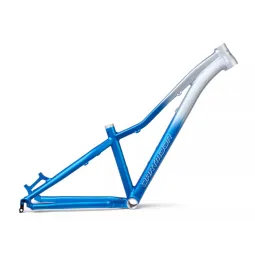
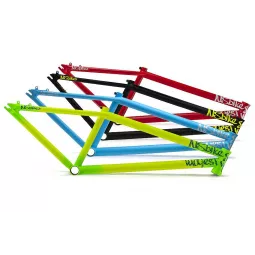
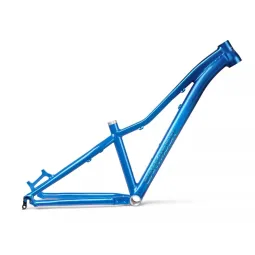
26" frames still make sense where you want a compact, playful, and quick-reacting base for an MTB or a more specific custom build. Compared to larger wheel sizes, a 26" setup usually feels more agile, easier to move around, and more focused on lively handling than maximum stability.
Sort by:

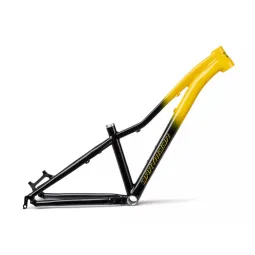


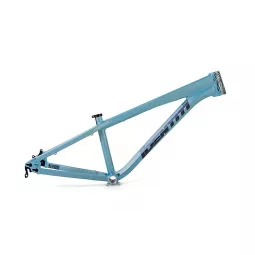

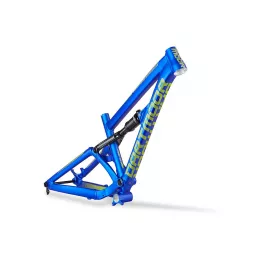

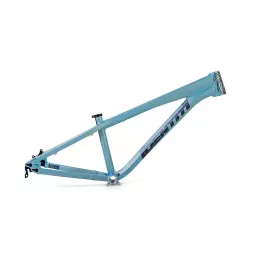
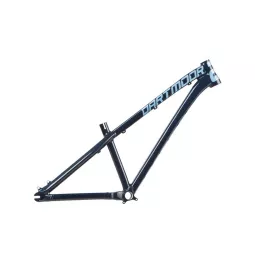
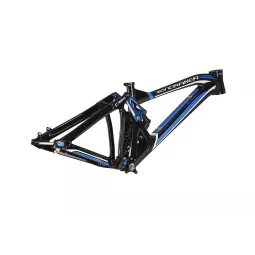
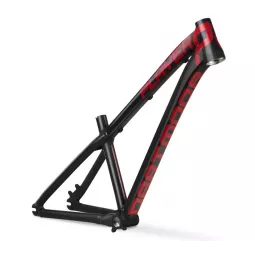
26" Frame: When It Still Makes Sense and Why It Is Not Just a Relic of Old MTB
Playfulness and compact feel | 26 vs. larger wheel sizes | Hardtail and full-suspension builds
A 26" frame no longer makes sense today as the automatic choice for everyone, and that is exactly why it matters to understand where its advantages still work. A smaller wheel diameter gives the bike a more compact feel, quicker response when changing direction, and a stronger tendency toward playful handling. That is why 26" still has its place wherever you want a technical, fun, character-driven bike rather than the calmest and most stable machine possible.
26" vs. 27.5" vs. 29" vs. 27.5+ vs. 24"
A 26" frame makes sense where you want maximum compactness, quick direction changes, and a playful character. Compared to 27.5" frames, it feels even smaller and more lively, but it also loses part of that size’s versatility. Against 29" frames, the contrast is even stronger — 29" brings more stability, better rollover, and a calmer pace in rough terrain, while 26" is more about quick reactions and a technical, direct feel from the bike.
If you want more comfort and tire volume but still do not want a big 29" wheel, 27.5+ frames can also make sense. They are aimed at a different type of use than a classic 26" MTB. Smaller 24" frames then make sense where even more compact sizing, a shorter rider, or a very specific bike style is the priority. In other words, 26" is not the “best all-rounder” today, but it can still be a very good choice for a specific type of riding.
26" Hardtail Frame vs. 26" Full-Suspension Frame
It is exactly with hardtail MTB frames that 26" often makes the most sense. A compact hardtail with 26" wheels can be very playful, technical, and fun, especially if you do not want a bike built mainly around speed through rough trails, but around actively working the bike underneath you. On hardtails, the whole concept is also simpler and more direct, so the 26" character comes through more clearly.
With full-suspension MTB frames, 26" now appears more often in specific or older build contexts. In that case, compatibility, frame condition, and realistic expectations about the final bike become even more important.
What to Check So a 26" Frame Really Suits You
- Riding style: If you want a playful, compact, and eager-to-respond bike, 26" can still make sense today. But if you expect your bike to be calm, fast through rough terrain, and broadly versatile, larger wheel sizes will often be more practical.
- Frame geometry: Wheel size alone guarantees nothing. With a 26" frame, it is just as important how long it is, what kind of rear end it has, and how the whole frame is designed. A well-designed 26" frame feels lively and easy to read. A poorly chosen one can simply feel nervous.
- Hardtail or full suspension: If you are building a technical and playful bike, a 26" hardtail is often the cleanest and most logical expression of that concept. With a full-suspension build, you need to pay closer attention to whether it is a sensible modern build or more of a specific rebuild, restoration, or upgrade of an older bike.
- Build compatibility: With 26" frames, it is important to think not only about the frame itself. The availability of suitable parts and how the frame fits into today’s standards also matter when you are building the bike.
- Who it is really for: A 26" frame is not automatically the right choice for every MTB rider today. It makes sense where you want a specific bike character, a smaller overall size, quick response, and a build that is not based only on the current trend toward the biggest possible wheels.
Brands such as Dartmoor, NS Bikes, Identiti, and Octane One naturally fit where you are looking for a more distinctive character and a more playful MTB build.
Experience: With 26" frames, people often expect either nostalgia or automatically assume an “outdated solution.” In practice, what matters more is whether the frame matches what you actually want from the bike. For a playful hardtail build, 26" can still be a very good solution. For a modern all-round MTB, a larger wheel size will often make more sense.
Does a 26" frame still make sense today?
Yes, but mainly for a specific type of use. A 26" frame makes sense where you want a compact, playful, and quick-reacting bike, not as a universal modern MTB for everyone.
Are 26" hardtail frames still interesting?
Yes. It is exactly with 26" hardtails that this wheel size often makes the most sense, because their playfulness, simplicity, and technical character stand out the most.
Why do people still look for 26" full-suspension frames?
It is often about a specific rebuild, restoring an older bike, or creating a compact full-suspension build. In that case, it makes sense to pay more attention to compatibility and not expect the same thing from a 26" full-suspension bike as you would from a modern 29" enduro.