

-
Top offers
-
Bikes
-
Helmets & Goggles
-
Accesories


Categories
Availability
Brand
Price
Selections
size
diameter
colour
Frames & Forks
High-quality frames and forks form the foundation of every bike, determining its geometry, stiffness, and overall handling. Whether you are building a rugged dirt jump machine on a Dartmoor frame or a lightweight MTB using Accent components, choosing the right base is crucial for future compatibility and performance.
Choose your bike build platform:


Bestsellers in this category


Sort by:







How to choose a frame and fork: A guide to building your bike
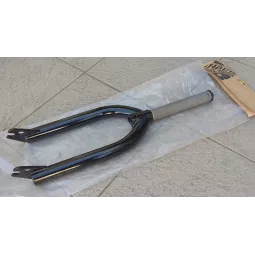
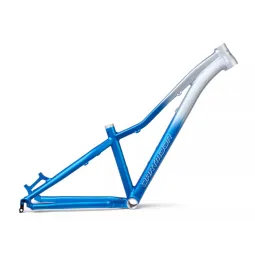
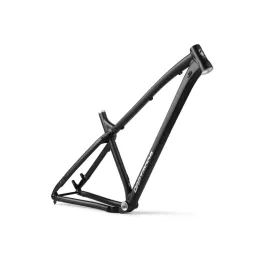
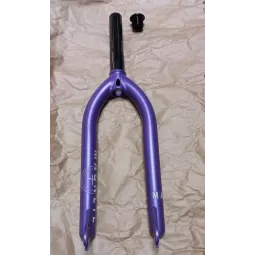
Building a bike from scratch starts with the frame. It defines not just the look, but more importantly, how the bike handles in technical sections, during jumps, or on steep climbs. Our selection ranges from legendary dirt and enduro frames by Dartmoor and NS Bikes to competitive BMX frames and lightweight aluminum or carbon bases by Accent for cross-country and gravel.
Key decision criteria for your selection:
- Material and Discipline: For Dirt, Street, and BMX, 4130 CrMo steel is the gold standard for its toughness and impact absorption. For MTB and XC frames, aluminum (Alu) or carbon dominate, prioritizing low weight and tensile stiffness.
- Head Tube and Axle Standards: Modern frames utilize Tapered head tubes for increased front-end stiffness. Always check the axle type (9mm QR vs. 12mm/15mm/20mm thru-axle) and rear spacing (e.g., Boost 148x12mm vs. standard 142x12mm) to ensure your wheels and forks fit perfectly.
- Component Compatibility: When buying a frame, verify the bottom bracket type (threaded BSA vs. PressFit) and seatpost diameter. Don't forget the headset, which must match both the frame and the fork steerer tube.
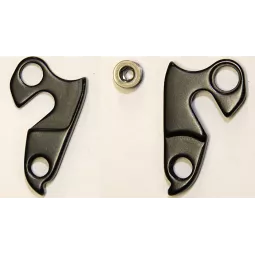
If you already have a frame and are looking for maintenance or upgrades, check our derailleur hangers subcategory for replacement parts. For those seeking proven quality, we recommend exploring Dartmoor MTB and Dirt frames directly, which are among our bestsellers due to their durability and excellent price-performance ratio.
Expert Tip: Pay close attention to the Reach parameter (the horizontal distance from the BB to the head tube). While seat tube height is important for fit, Reach determines how the bike feels when standing and how much room you have for maneuvering in technical terrain.